471 Springvale Road,
Springvale, Victoria
265-273 Lonsdale St,
Dandenong VIC 3175

Pregnancy Ultrasound Scans: Why They Matter and When They’re Done

Home / Insight Imaging / Pregnancy Ultrasound Scans: Why They Matter and When They’re Done

A Quick Summary

This article discusses why pregnancy ultrasounds matter in antenatal care and the usual ultrasound schedule across pregnancy. It also covers the purpose of these scans, helping expectant parents understand what to expect at each stage.

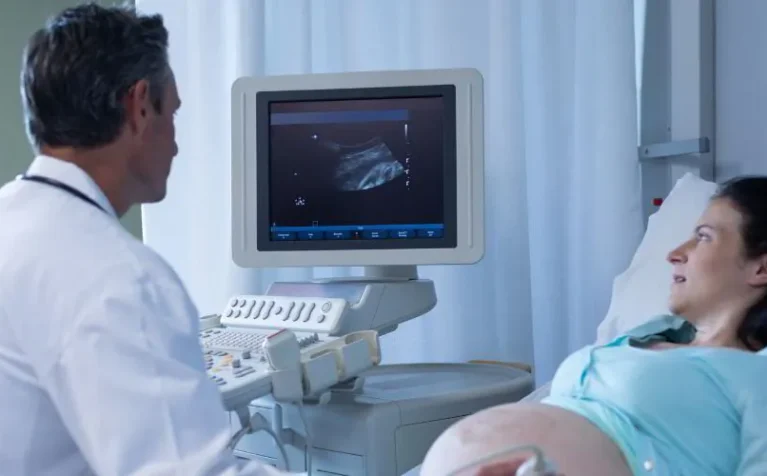
In the daily hustle of life, time often slips by in a blur. But for expecting parents, inside the quiet of a diagnostic lab, time seems to stand still. The rest of the world may see ultrasound pregnancy scans as routine medical check-ups. But for you, the moment the gel hits the skin, and the monitor screen flashes on, a new world begins. In that moment, seeing the rhythmic flutter of a tiny heart transforms a quiet hope into a beautiful, breathing reality.

At Insight Diagnostic Imaging, we understand how important pregnancy ultrasound scans are in a father’s search for reassurance and a mother’s first deep connection to the life growing within. They offer a safe, non-invasive way for doctors to monitor your baby’s development and ensure you both stay healthy. In this article, we’ll explore why these milestones are so vital and when they occur, so you can feel prepared for every step of this extraordinary journey.

Why Pregnancy Ultrasounds Matter

Pregnancy is an exciting, challenging, and changing experience, and expecting mums often wonder if everything is alright. Ultrasound pregnancy scans are those milestones of reassurance that comfort their worried heart. Beyond a mother’s relief, these scans also give your doctor the necessary details of your baby’s development, like gestational age and growth patterns, placental position, and anatomical growth. And when performed by trained sonographers, these scans are completely safe and widely used in routine pregnancy care across Australia.

Pregnancy Ultrasound Schedule: What to Expect at Each Stage

Every pregnancy is unique, but the key stages of pregnancy are the same, and the timings of ultrasound scans across these stages are as follows:


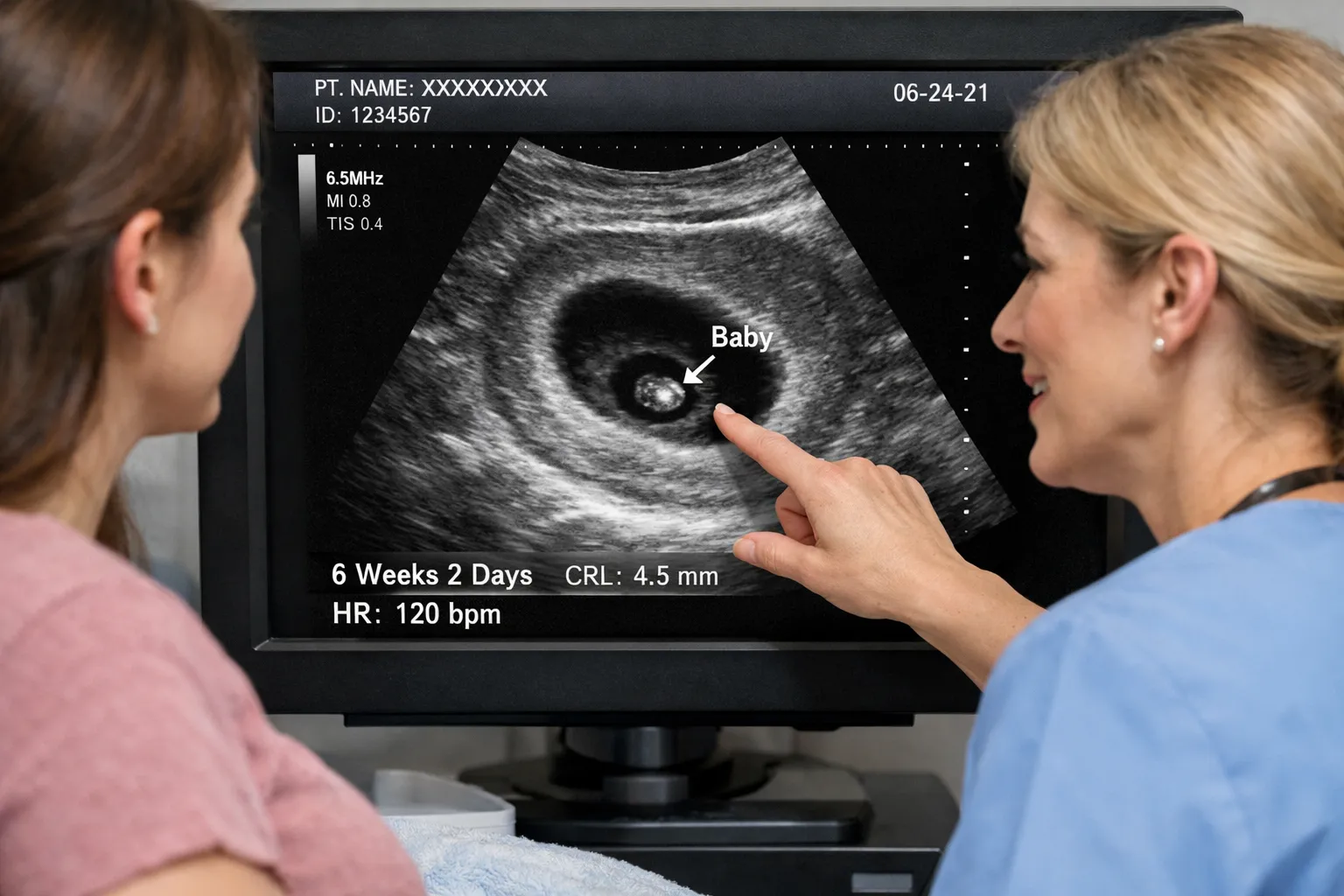
1. Dating Scan / Viability Scan – (Around 6-12 Weeks)

Usually performed around 6–12 weeks, the dating scan and viability scan are the first appointments for pregnant women, when the reality of pregnancy truly sinks in.

The 6-week ultrasound determines how far along you are. It helps calculate your estimated due date, and helps verify the number of babies (so you know if you’re expecting one or more!).

The viability scan is often combined with the 6-12 week ultrasound dating scan in early pregnancy. It helps your doctor confirm the presence of a heartbeat and assess early development to ensure everything is progressing exactly as it should.

We believe in making your pregnancy as stress-free and relaxing as possible. At Insight Diagnostic Imaging, dating and viability scans are bulk-billed, ensuring you get professional care when you need it most. Importantly, you don’t need a referral for this specific viability scan at our clinic.

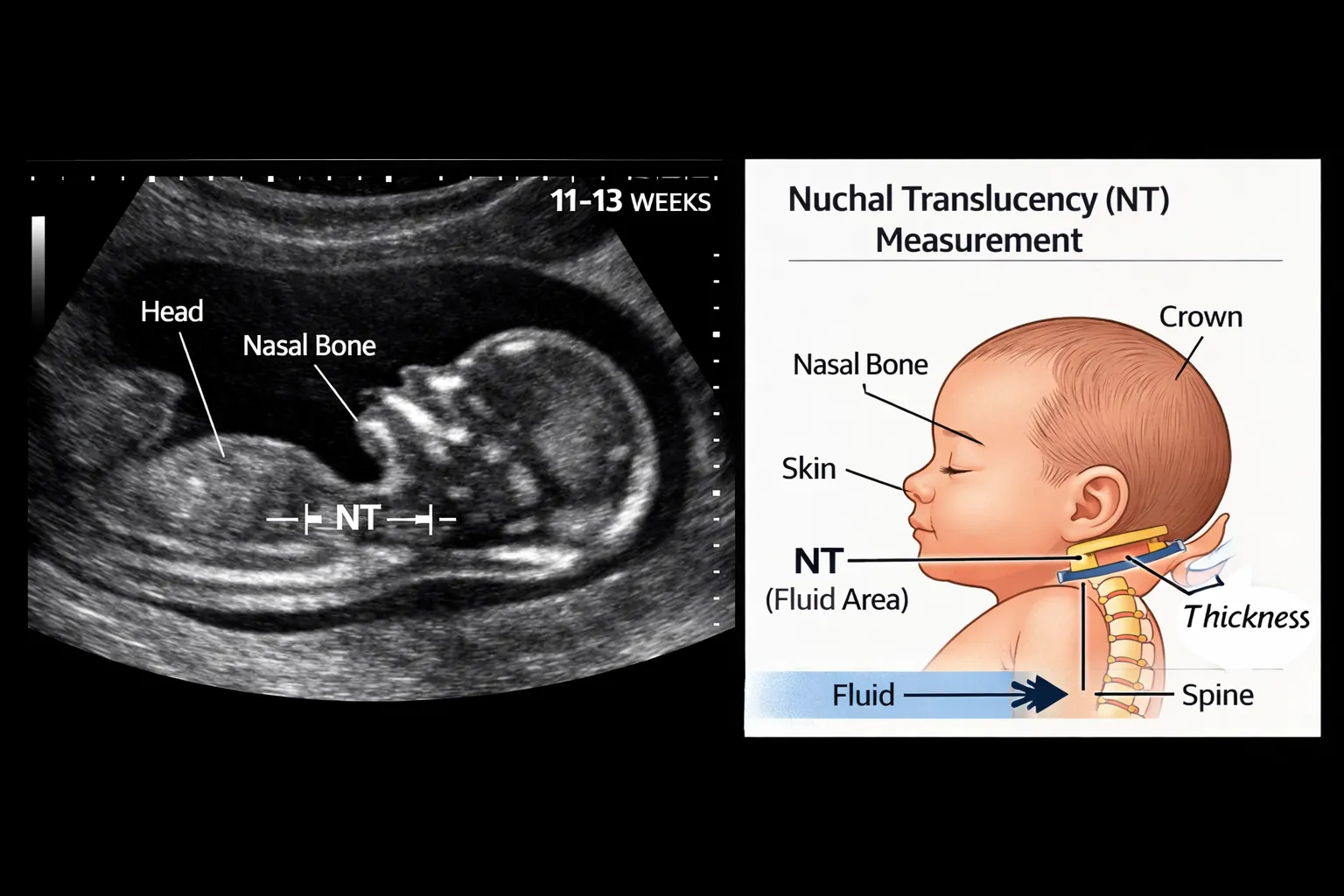
2. The Nuchal Scan: First Trimester Screening (11–13 Weeks)

The next scan, called the Nuchal Translucency, is done as you near the end of three months, and is often combined with the first trimester screening test. The NT scan measures the amount of fluid behind the fetus’s neck, which is why it’s done between 11 and 13 weeks. The main purpose of the nuchal scan is to assess abnormalities in the fetus, like chromosomal conditions or cardiac abnormalities. But it can also be used to estimate the due date or diagnose multiple pregnancies in some cases. Often combined with an initial blood test, this scan also checks the basic anatomical structures as well as the early development of your little one.

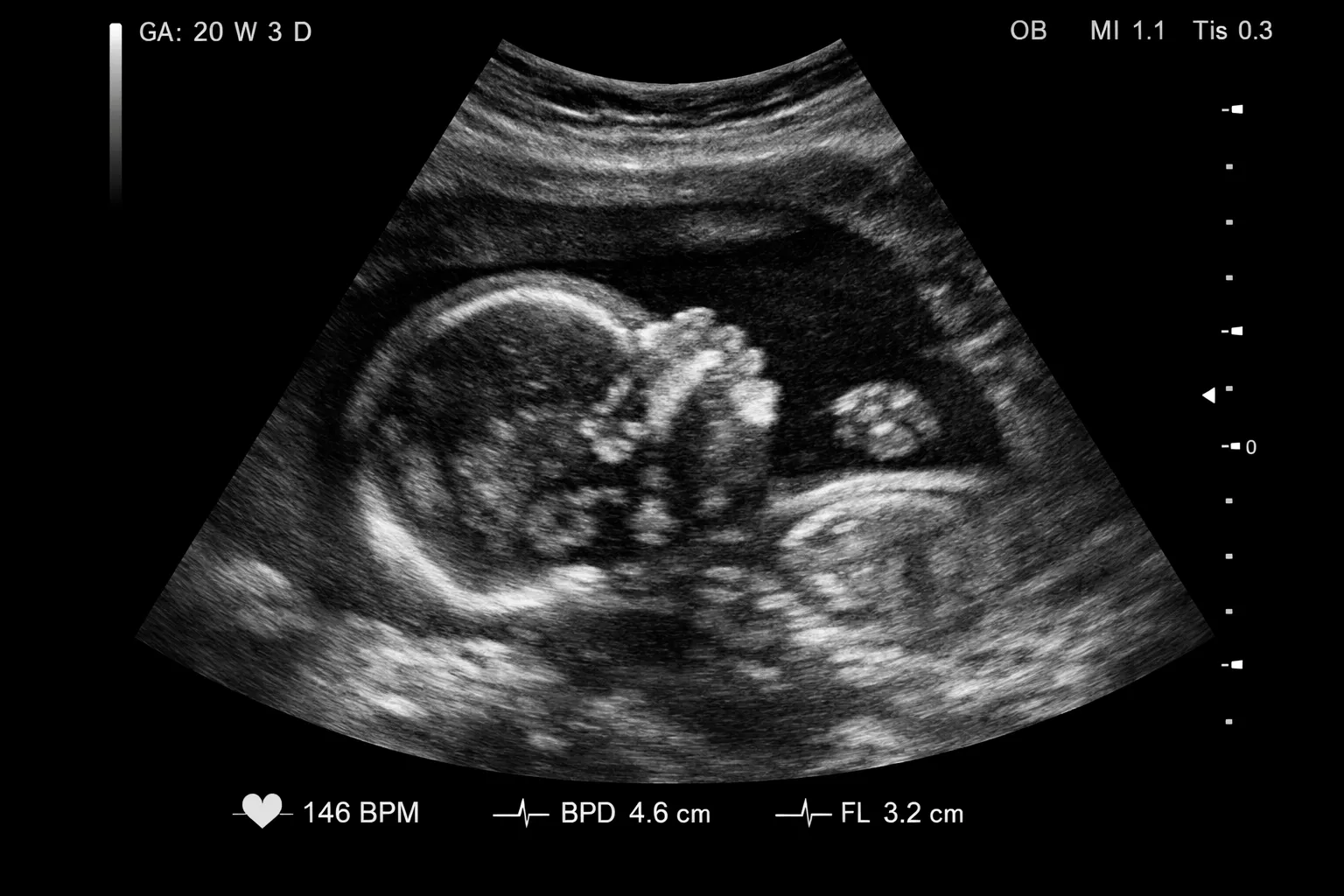
3. Morphology (Anatomy) Scan (18–22 Weeks)

Right from the initial months, all expecting mothers wait with bated breath to see that first glimpse of their babies. A tiny yawn, or a thumb tucked into a mouth, or whatever signs of life they can see are precious moments. And a morphology scan, done at the 18-22 week marker, can give you such sure signs of the baby’s warm and solid presence. In this scan, our sonographers examine the following:

● A thorough anatomical check, including the heart, brain, spine, and vital organs, to ensure everything is forming correctly.
● Assessing the position of the placenta and the levels of amniotic fluid that support your baby.
● Taking precise measurements to ensure your baby is growing at a healthy and consistent rate.

This is also the point where most couples prefer to go for a Gender Scan, which you can take anytime after 17 weeks into the pregnancy. It is a safe and accurate way of finding out whether you’re having a boy or a girl.

Morphology scan is complex and detailed, and hence, requires a referral. It is a cornerstone of your prenatal care, providing your doctor with the data they need to support a healthy second half of your pregnancy.

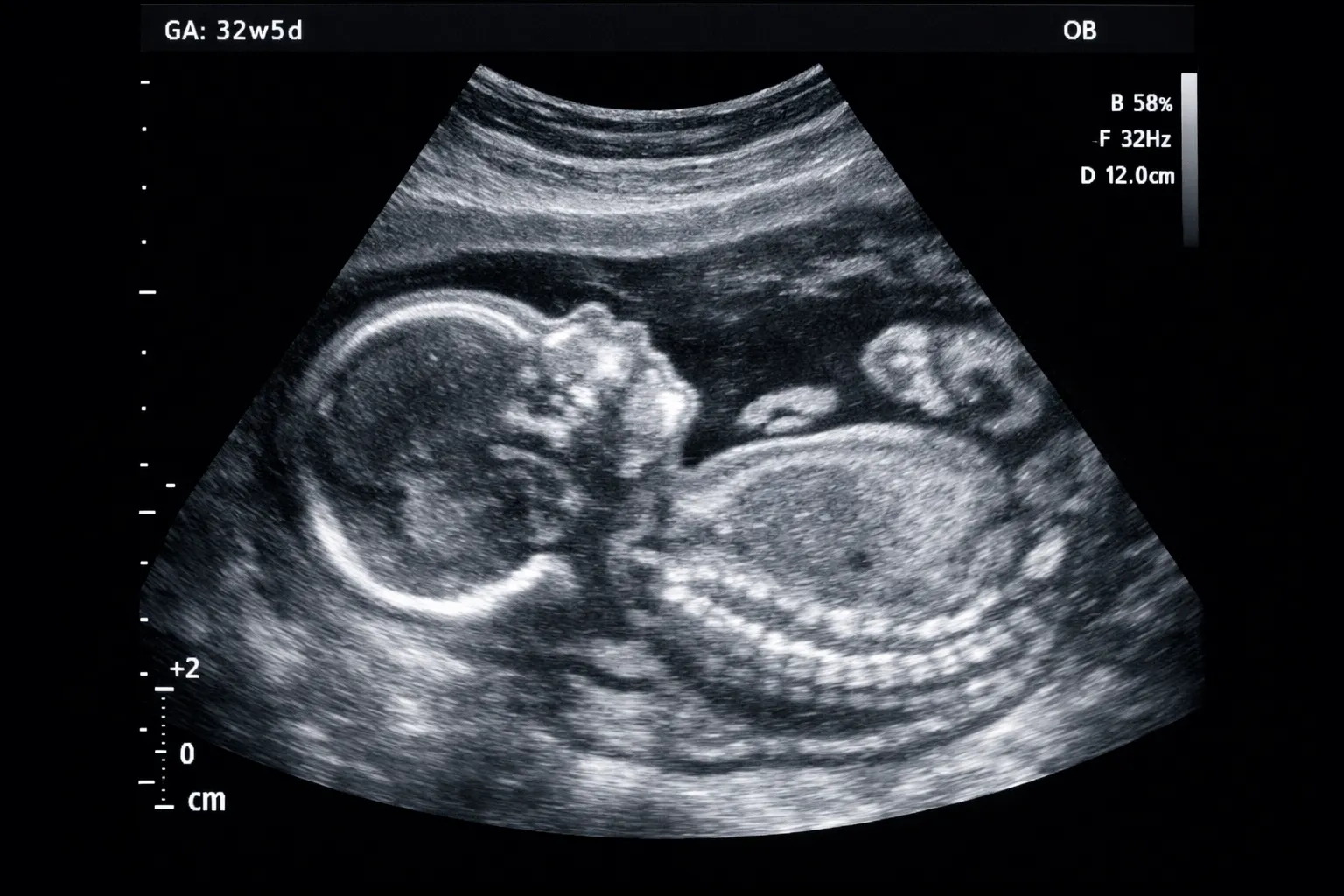
4. Growth and Follow-Up Scans (Later Pregnancy)

Ultrasound pregnancy scans in the later stages are often performed with a referral and recommended based on the individual needs of the expectant mother, her progress, and her health. These scans are usually performed to check the baby’s position, assess placental and fluid levels, and monitor its growth patterns.

Reduces Healthcare Costs

Chronic diseases like diabetes and heart conditions are long-term and costly to manage..

Improves Quality of Life

Detecting diseases early often allows for faster treatment and improved health outcomes.

Boosts Community Health

When more people in a community engage in preventive care, public health improves.

Care and Clarity for Every Pregnancy Stage

Expectant women often feel equal parts scared and excited throughout their pregnancy. Ultrasound pregnancy scans work as a gentle but solid reassurance for the mothers while also being an indicator of the baby’s health and development. Knowing when and why these scans are done can help you feel more prepared and confident throughout your pregnancy.At Insight Imaging, we understand your specific concerns and provide a female sonographer to help you feel more comfortable. We also offer 3D and 4D imaging and bulk-billed dating scans and aim to keep all other pregnancy ultrasound services affordable, without compromising on quality or care.Why Pregnancy Ultrasounds Matter

If you’ve been referred for a pregnancy ultrasound or if you’re seeking an early dating or viability scan, choose Insight Diagnostic Imaging. Our imaging team is here to provide clear information, respectful care, and accurate imaging to support you in this journey to motherhood.

Frequently Asked Questions 

1. Why are pregnancy ultrasounds recommended?

Pregnancy ultrasounds help monitor the baby’s and the pregnancy’s progress at various stages. They provide important information for your GP, obstetrician, or midwife, while also offering reassurance to parents.

Ultrasounds are typically performed at different stages of pregnancy. A dating scan is usually done around 6–12 weeks, the NT scan between 11 and 13 weeks, and the morphology scan between 17 and 22 weeks. Some women may also be advised to have additional growth or follow-up scans later in pregnancy (more than 22 weeks) for monitoring purposes.

A referral is required for most pregnancy ultrasound scans, such as NT scans, morphology scans, and growth scans. However, early dating or viability scans can be performed without a referral at our clinic, making it easier to access early reassurance in pregnancy.

Yes. Dating scans are bulk billed at our clinic for eligible patients. Other pregnancy ultrasound scans are not bulk billed, but we aim to keep our fees affordable and competitive compared to other imaging centres in the area.

Yes. Many women feel more comfortable having a female sonographer, particularly for pregnancy ultrasounds. Our clinic offers female sonographers, which is especially valued by patients in suburbs such as Springvale and Dandenong.

Sometimes a follow-up scan is recommended if images were unclear, the baby’s position limited visibility, or additional monitoring is needed. This is common and does not always indicate a problem. Follow-up scans help ensure accurate and complete imaging for your referring doctor.

Related Posts